




Sri Lanka may be small, but thousands of years of history are woven into its cities, temples, fortresses, and sacred spaces. Across the island, UNESCO World Heritage Sites offer a window into ancient kingdoms, Buddhist traditions, colonial history, and the cultures that continue to shape Sri Lanka today.
From climbing the legendary rock fortress of Sigiriya to walking the historic streets of Galle Fort, these sites are some of the most memorable stops on a journey through Sri Lanka.
Sigiriya: Sri Lanka’s iconic rock fortress
Section Type: standardWidthImageS
Sigiriya Rock Fortress, one of Sri Lanka’s most recognizable landmarks.
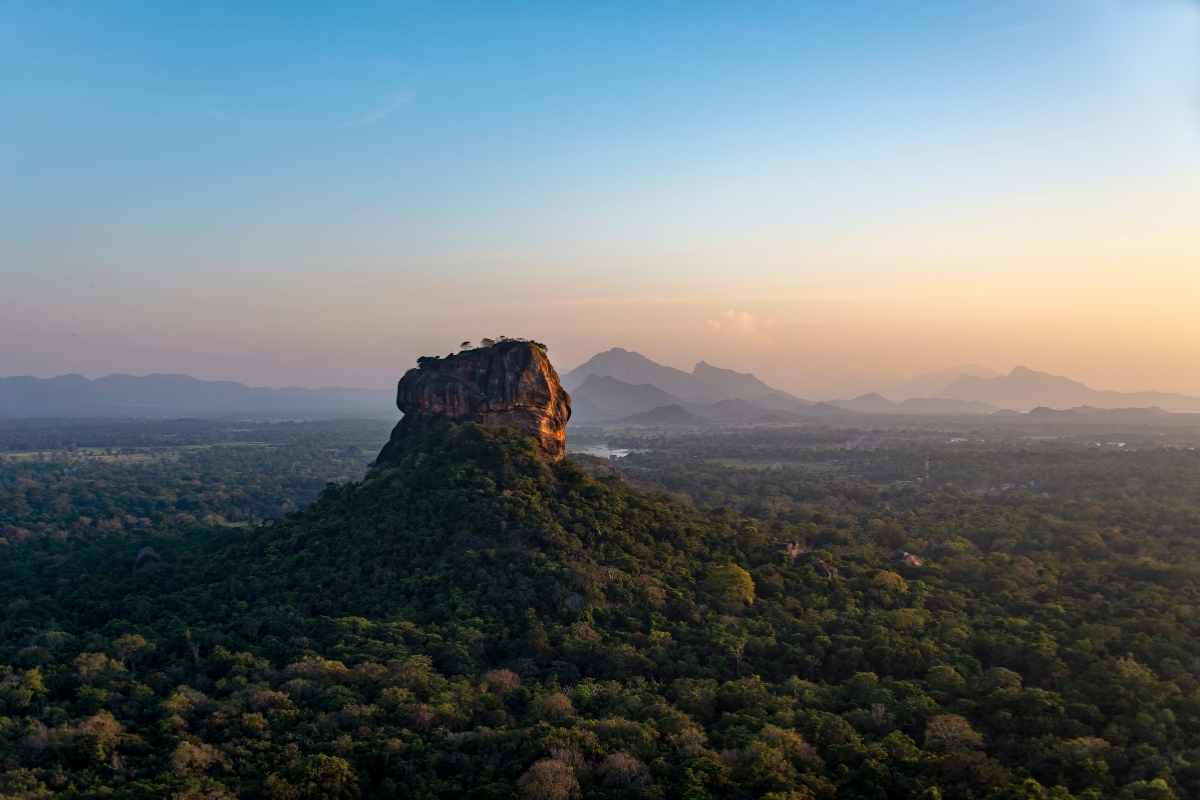
Rising dramatically around 200 meters above the surrounding jungle, Sigiriya Rock Fortress is one of Sri Lanka’s most recognizable landmarks.
The ancient citadel dates to the 5th century, when King Kashyapa established his royal capital here. The site is remarkable not only for its location atop an enormous rock formation but also for the sophisticated complex that surrounds it. Moats, ramparts, landscaped gardens, reservoirs, and water features demonstrate the advanced engineering and urban planning of the time.
The climb to the summit involves approximately 1,200 steps, passing remnants of the ancient fortress along the way. At the top are the ruins of the royal palace and sweeping views across the forests and countryside of Sri Lanka’s Cultural Triangle.
Travelers who prefer not to make the entire climb can still explore the gardens and archaeological features around the base.
Why visit: Sigiriya brings together history, archaeology, engineering, and spectacular scenery in one of Sri Lanka’s most iconic settings.
Polonnaruwa: Explore Sri Lanka’s medieval capital
Section Type: standardWidthImageS
Gal Vihara, one of the most remarkable sites in Polonnaruwa, Sri Lanka.
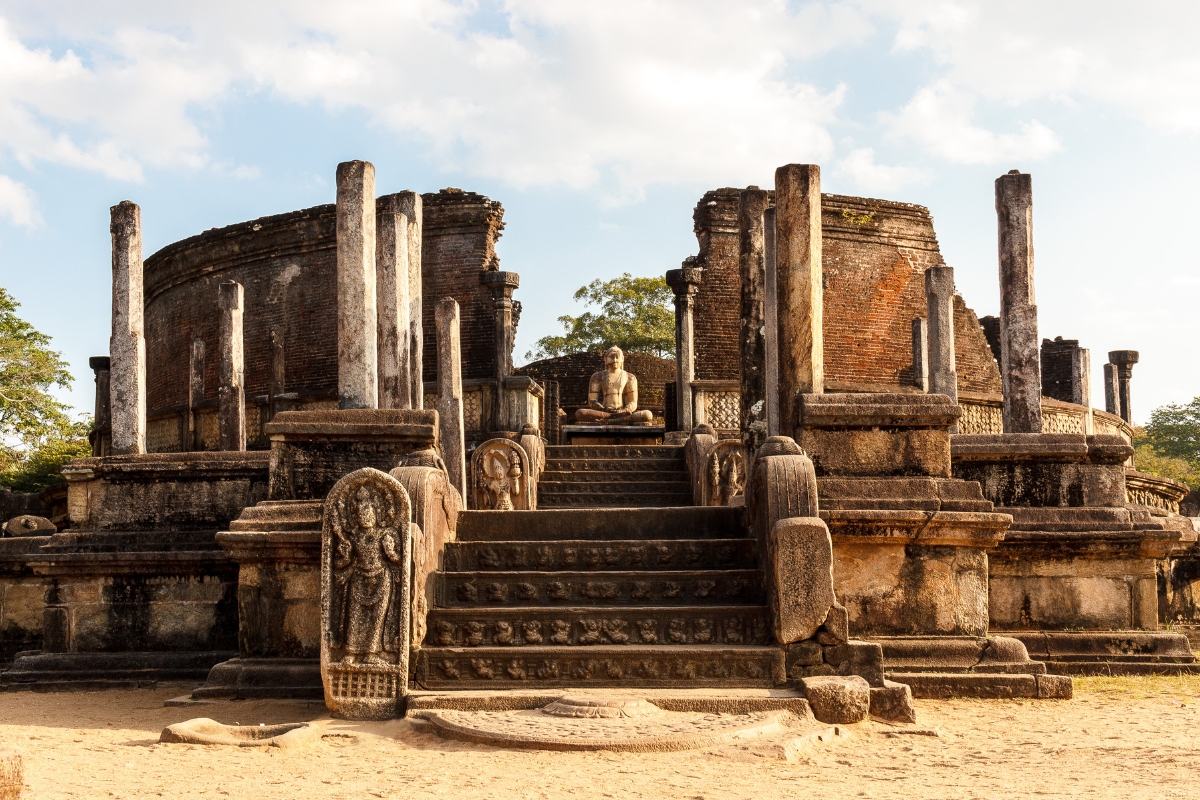
Polonnaruwa served as Sri Lanka’s capital from the 11th to the 13th centuries and remains one of the best places to see the scale and sophistication of the island’s ancient kingdoms.
Today, the UNESCO-listed archaeological site contains the remains of royal palaces, Buddhist temples, shrines, and other structures spread throughout the former city.
One of its most remarkable sites is Gal Vihara, a group of Buddha figures carved directly into a granite rock face. Travelers can also see the remains of the Royal Palace and former Tooth Relic Temple while learning about the rulers and religious traditions that shaped this period of Sri Lankan history.
Its location also makes Polonnaruwa easy to pair with a very different side of Sri Lanka. Nearby Minneriya, Kaudulla, and Hurulu National Parks are home to wild elephants, deer, crocodiles, and abundant birdlife, allowing travelers to experience ancient history and wildlife in the same day.
Why visit: Polonnaruwa provides one of the clearest glimpses into the grandeur of Sri Lanka’s medieval kingdoms, with remarkably preserved monuments spread across an expansive archaeological landscape.
Dambulla Cave Temple: More than 2,000 years of Buddhist heritage
Section Type: standardWidthImageS
Dambulla Cave Temple, one of Sri Lanka’s most important Buddhist pilgrimage sites.
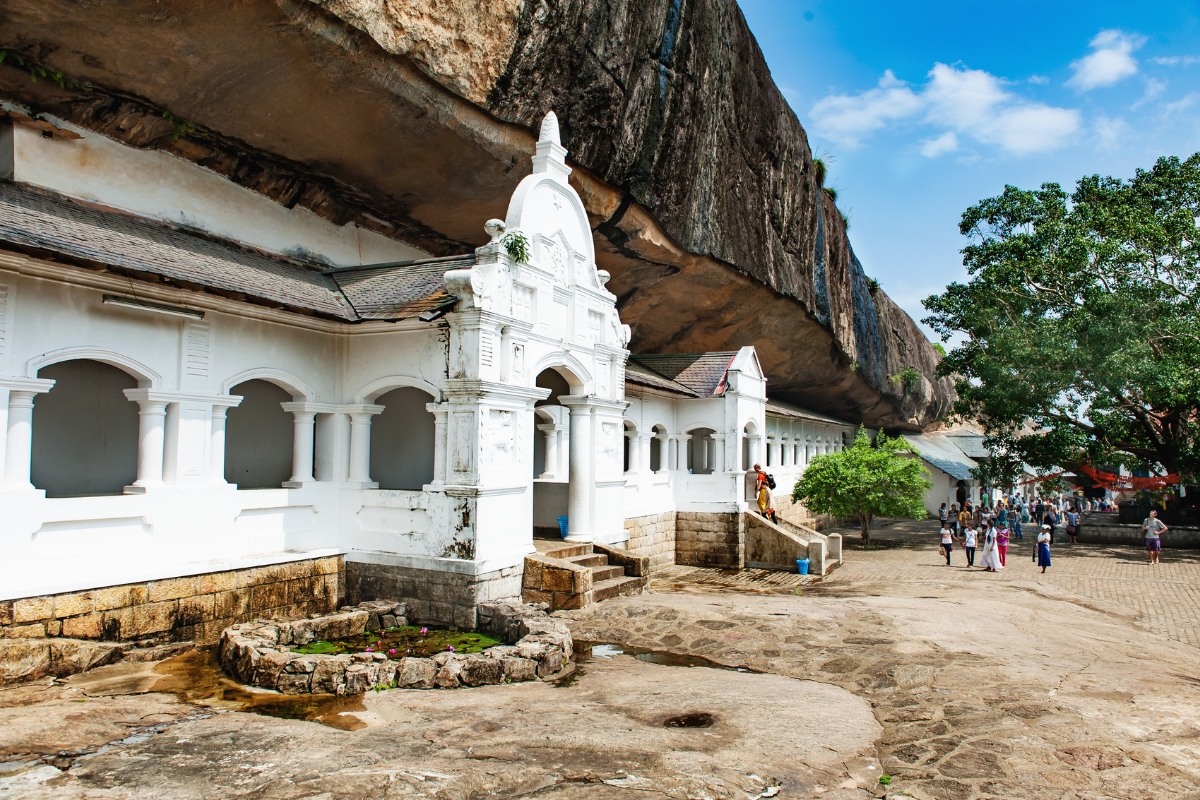
Built into a massive rock outcrop, Dambulla Cave Temple is one of Sri Lanka’s most important Buddhist pilgrimage sites.
The history of the temple complex stretches back more than 2,000 years. According to tradition, King Valagamba sought refuge in the caves during a period of exile in the 1st century BCE and later transformed them into a place of worship after returning to power.
The complex includes five main caves containing an extraordinary collection of Buddhist statues, shrines, and colorful murals. Successive generations contributed to the site, creating layers of religious art that reflect centuries of Sri Lankan Buddhist tradition.
Unlike the sprawling ruins of Sigiriya and Polonnaruwa, much of the experience at Dambulla unfolds inside the caves themselves, creating a quieter and more intimate look at the country’s spiritual heritage.
Why visit: Dambulla offers the opportunity to experience centuries of Buddhist art and history within a sacred site that remains an important place of worship today.
Kandy: The spiritual and cultural heart of Sri Lanka
Section Type: standardWidthImageS
Sri Dalada Maligawa, commonly known in English as the Temple of the Sacred Tooth Relic, is a Buddhist temple in Kandy.
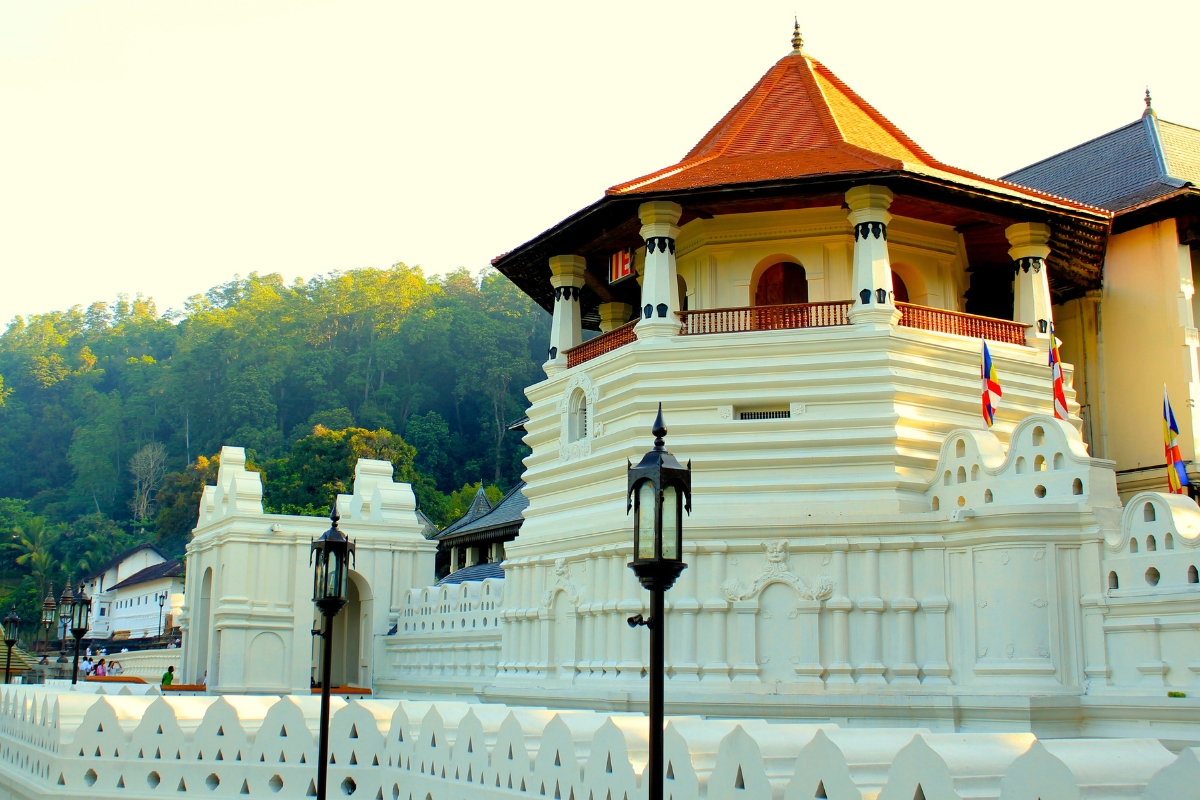
Surrounded by the green hills of central Sri Lanka, Kandy was the last capital of the ancient kings of Sri Lanka before the island came under British rule in the 19th century.
At the center of the sacred city is the Temple of the Sacred Tooth Relic, or Sri Dalada Maligawa. The temple is believed to house a tooth relic of the Buddha and is one of the most revered Buddhist pilgrimage sites in Sri Lanka.
For centuries, possession of the relic was closely associated with the right to rule the island, giving the temple both religious and political significance.
Kandy also offers travelers a chance to experience Sri Lankan traditions beyond its historic landmarks. Visits can include traditional Kandyan dance and drumming, local batik and handicrafts, family cooking experiences, and the nearby Royal Botanic Gardens at Peradeniya.
From Kandy, the landscape begins to change as travelers continue into Sri Lanka’s Central Highlands and tea country.
Why visit: Kandy connects Sri Lanka’s royal past with living religious and cultural traditions that remain an important part of life on the island today.
Galle Fort: Centuries of history on Sri Lanka’s southern coast
Section Type: standardWidthImageS
Galle Fort, Sri Lanka.
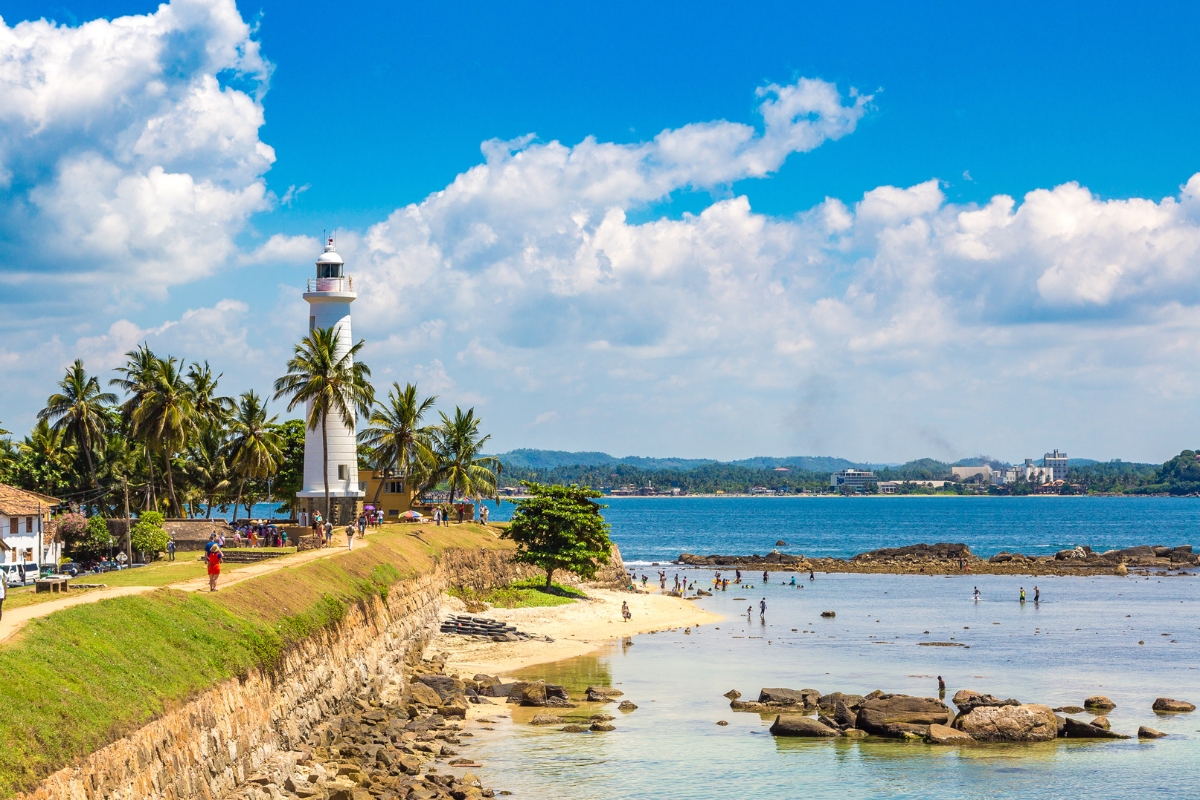
Set beside the Indian Ocean, Galle Fort tells a very different chapter of Sri Lanka’s history.
The Portuguese first established a fort at Galle in the 16th century before the Dutch captured the city and extensively expanded its fortifications in the 17th century. The British later took control, adding another layer to the city’s colonial history.
Today, Galle Fort is one of the best-preserved examples of a European-built fortified city in South and Southeast Asia. Thick stone ramparts overlook the ocean, while narrow streets wind between historic churches, administrative buildings, merchant houses, and other colonial-era architecture.
Unlike an archaeological site frozen in the past, Galle Fort remains a living neighborhood. Historic buildings now sit alongside cafés, boutiques, galleries, and restaurants, making it an especially enjoyable place to explore on foot.
A visit to Galle also pairs naturally with experiences along Sri Lanka’s southern coast, from private whale watching to visiting a working cinnamon estate.
Why visit: Galle Fort combines Sri Lanka’s maritime and colonial history with the atmosphere of one of the island’s most beautiful coastal cities.
Experiencing Sri Lanka’s UNESCO World Heritage Sites
One of the most rewarding things about exploring Sri Lanka is how quickly the experience can change. Ancient ruins give way to wildlife-filled national parks, sacred temples lead into misty tea country, and journeys through the interior eventually reach the shores of the Indian Ocean.
Sri Lanka’s UNESCO World Heritage Sites provide important touchpoints along the way, helping travelers understand the kingdoms, religions, cultures, and outside influences that have shaped the island over centuries.
With SA Expeditions, these sites can be incorporated into a private, tailor-made Sri Lanka itinerary alongside wildlife safaris, tea country, local culinary experiences, and time along the southern coast. Expert local guides provide deeper context at each stop, while private transfers, carefully selected accommodations, and 24/7 support make the journey seamless from arrival to departure.
Section Type: cta
Explore our Sri Lanka tours or speak with a Destination Expert to start planning your tailor-made journey.











Copyright © 2026 SA Luxury Expeditions LLC, All rights reserved | 8 The Green, Suite A, Dover, DE, 19901 | 415-549-8049